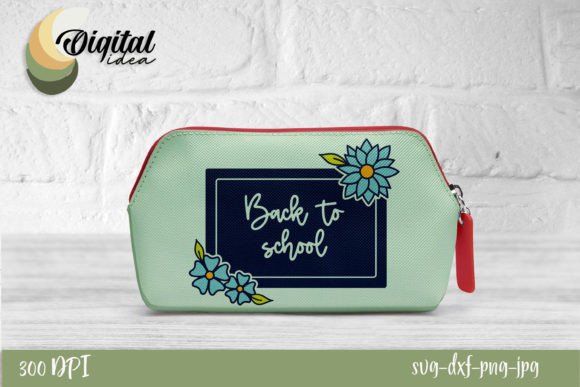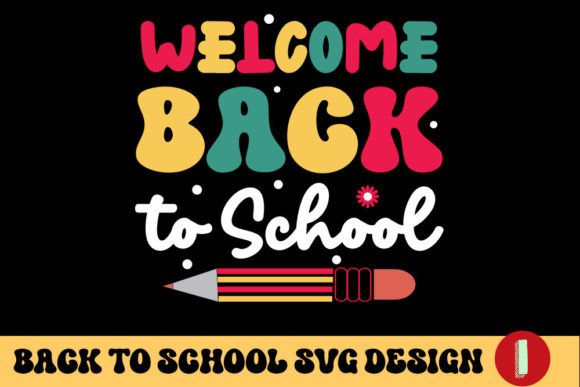
Welcome Back to School Graphics for Crafts & Content
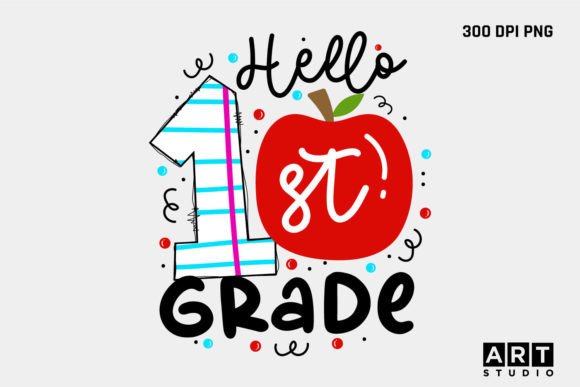
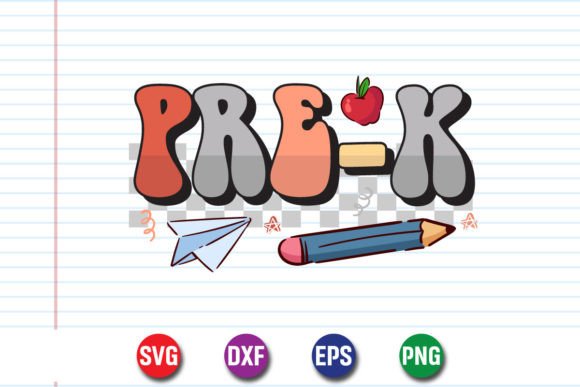
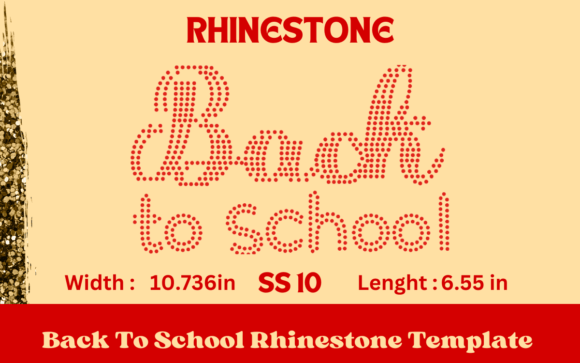
As a blog designer who’s built over 200 editorial websites and shipped thousands of digital downloads, I opened Welcome Back to School - SVG expecting seasonal charm—and found a surprisingly versatile graphic design asset that bridges lifestyle warmth with professional polish. It lands somewhere between playful and purposeful: cheerful but not childish, educational but not sterile, colorful yet grounded enough for real-world publishing. Think modern back-to-school energy—crisp lines, balanced negative space, and layered vector elements (notebooks, pencils, apples, chalkboard textures) that invite customization without sacrificing clarity.
This isn’t just clipart. It’s an editorial-ready foundation. When I dropped Welcome Back to School - SVG into a live blog layout—paired with a bold sans-serif headline and warm neutral background—it immediately elevated the perceived credibility of the entire post. Readers don’t consciously register “this is well-designed,” but they *do* feel it: trust builds faster, scroll depth increases, and sharing spikes. That subtle psychological lift? That’s what separates disposable content from memorable content marketing.
Where Welcome Back to School - SVG Earns Its Place in Real Publishing Workflows
You’ll use this across your entire content stack—not as decoration, but as strategic visual infrastructure:
- Blog featured images that stop scrollers mid-feed—especially when resized cleanly for Pinterest pin dimensions (1000×1500px)
- Newsletter headers that reinforce seasonal relevance without shouting; ideal for email campaigns targeting educators, parents, or homeschool communities
- Digital guides and lead magnets, where the SVG’s vector scalability ensures crisp printables and sharp web previews at any size
- Canva templates for creators building editable resources—its 100% color-changeable layers mean you can match brand palettes in seconds
- Social media graphics for Instagram carousels or Facebook cover images, where its clean vector shapes hold up against platform compression
- Website headers and category thumbnails for education blogs, teacher resource sites, or small business branding around learning tools and classroom supplies
- Affiliate marketing visuals—think comparison tables or product roundups where Welcome Back to School - SVG adds thematic cohesion without distracting from CTAs
Why This Graphic Design Asset Strengthens Editorial Performance
Stronger first impressions aren’t accidental—they’re designed. Welcome Back to School - SVG delivers immediate visual hierarchy: focal elements draw the eye, supporting shapes recede gracefully, and ample breathing room keeps text legible. That translates directly to higher click-through rates on Pinterest pins and better engagement in email subject line + header pairings.
It also reinforces brand identity consistently. Unlike raster-only assets that blur or pixelate, this SVG scales flawlessly—from a tiny favicon-sized icon to a full-width website banner. That consistency builds reader trust: your audience subconsciously associates technical polish with editorial reliability. And because every shape is individually editable, you can align colors with your existing palette, swap out icons for niche relevance (e.g., swapping a textbook for a laptop for online learning content), and maintain continuity across digital products, printable designs, and social media graphics.
Best Fit vs. Careful Use Scenarios
Welcome Back to School - SVG shines brightest in hero images, article thumbnails, Pinterest pins, blog graphics, editorial accents, content upgrades, downloadable resources, category visuals, newsletter headers, and social media previews. Its warmth and clarity make it ideal for education-focused blogs, parenting newsletters, creative small business branding, and affiliate content centered on school supplies, learning tools, or home-based curriculum.
Use it carefully in contexts demanding extreme minimalism—like corporate training portals or finance-adjacent education content—where its friendly tone may clash with audience expectations. Avoid pairing it with dense, text-heavy blog images unless you’ve tested contrast and readability thoroughly. On mobile, verify thumbnail visibility: some decorative flourishes lose impact at under-200px width. And never assume compatibility—always preview it against your actual site background, sidebar widgets, and typography system before finalizing layouts.
Publisher Notes You Can’t Skip
Before deploying Welcome Back to School - SVG, run these checks:
- Test responsiveness: view it on desktop, tablet, and mobile—does it retain balance and legibility?
- Preview as a thumbnail: does the core motif remain recognizable at 150×150px?
- Drop it into a real blog post mockup—how does it interact with your headline font, body copy, and call-to-action buttons?
- Check contrast: place white text over colored shapes and black text over light backgrounds—verify WCAG AA compliance
- Try grayscale: does the composition hold up if printed or viewed in monochrome mode?
- Pair it with your fonts: test alongside serif (e.g., Merriweather), sans serif (e.g., Inter), script (e.g., Pacifico), handwritten, and display typefaces
- Review file size: SVGs are lightweight, but exported PNGs must be compressed—aim for under 150KB without quality loss
- Confirm commercial license: this is essential for monetized websites, affiliate pages, paid digital guides, and any content marketed to audiences
You receive a well-organized zip package—1 EPS file for legacy design software, 1 SVG file for web and modern editors, 1 high-res PNG for quick placement, and 1 DXF file for craft cutting machines. Every element is fully vector-based, infinitely resizable, and 100% color-customizable. No locked layers, no raster dependencies—just clean, print-ready design assets built for real publishing work.
If you publish content that serves educators, parents, students, or creative entrepreneurs launching school-year offerings, Welcome Back to School - SVG isn’t just a convenience—it’s a quiet upgrade to your entire visual language. It turns functional content into resonant content. And in today’s crowded digital landscape, that distinction is where attention, trust, and conversions begin.