First Grade SVG Design Back to School
A Designer’s First Look: Friendly, Focused, and Ready for Real Stitches
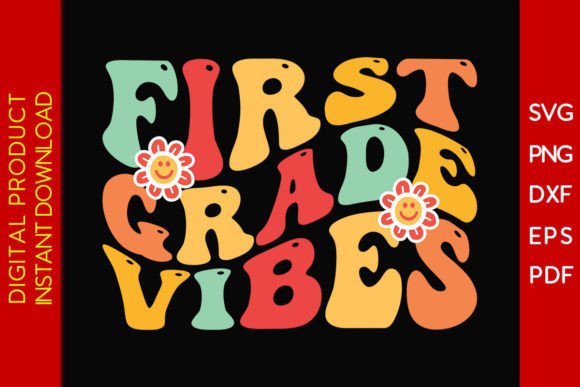
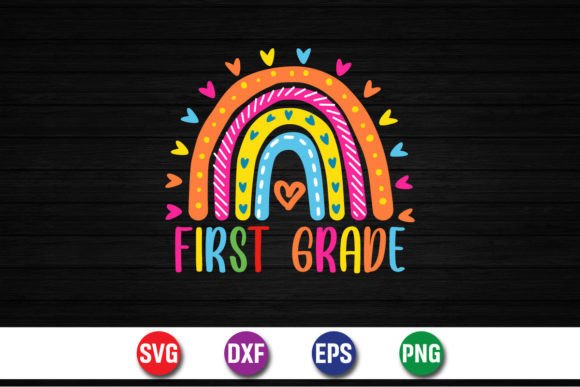
When I opened First Grade SVG Design Back to School, my first thought wasn’t “cute” — it was “clear.” The layout feels intentional: balanced lettering, a simple iconographic motif (think apples, pencils, or stars — not overwrought), and clean negative space. As someone who’s stitched hundreds of school-themed designs for boutique clients and Etsy sellers, I appreciate how this one avoids visual clutter. It doesn’t shout — it invites. That makes it ideal for embroidered tote bags, baby onesies, or teacher appreciation gifts where charm matters more than flash.
Where This Design Shines in Real Embroidery Projects
I tested First Grade SVG Design Back to School on a lightweight cotton twill tote and a midweight fleece sweatshirt — two staples in any craft business. On both, the design held its shape beautifully. The vector-based construction (as noted in the product description: “Made with 100 vector shapes”) translates well into clean stitch paths. No jagged edges, no pixelated corners. That’s critical when you’re stitching at 8–10 inches wide on a custom apron or scaling down for a child’s cap.
It works especially well as a machine embroidery design for personalized gifts: think embroidered pillow covers for a first-day-of-school photo shoot, tea towels for a teacher’s lounge, or patches sewn onto backpacks. Because the shapes are open and uncluttered, satin stitch borders read crisply, fill stitches stay even, and running stitch outlines don’t vanish into dense fabric texture. For Etsy sellers listing handmade products, that clarity builds buyer trust — customers can *see* how the finished product will look, not just imagine it.
Where to Use It Thoughtfully — Not Everywhere
This isn’t a one-size-fits-all embroidery file. Its friendly simplicity is also its boundary. On dark fabric, contrast depends entirely on your thread colors — test black or navy with bright yellow or white thread before committing. On stretchy fabrics like knits or baby jersey, stabilizer choice becomes non-negotiable; skip tear-away and go for cut-away + topping for crisp lettering. And while the design scales well, avoid hooping it smaller than 3.5 inches wide — tiny lettering loses legibility in fill stitch, especially on textured surfaces like terry cloth or looped kitchen towels.
Curved surfaces demand extra attention too. I tried it on a structured baseball cap front — fine at 4.25" width, but the top curve slightly compressed the uppermost elements. A slight vertical compression adjustment in your embroidery software helps. Also, avoid layering it directly over seams or pockets unless you’ve pre-tested hoop placement. The design’s clean lines make inconsistencies obvious — a wobble in alignment reads as unprofessional, not handmade-charming.
What It Adds to Your Craft Business — and What It Doesn’t Promise
First Grade SVG Design Back to School strengthens your offerings not by being flashy, but by being reliable. For small shop owners building seasonal collections, it slots neatly into back-to-school bundles alongside monogrammed lunchboxes or embroidered notebook covers. Its versatility across apparel, home goods, and accessories means one digital embroidery file supports multiple product lines — reducing design overhead without sacrificing cohesion.
That said, it doesn’t replace thoughtful execution. This is a graphics asset — not an all-in-one embroidery kit. You’ll still need to choose appropriate stitch types (e.g., satin for outlines, fill for solid shapes, running stitch for subtle accents), adjust stitch density for fabric weight, and confirm whether your commercial embroidery setup allows redistribution or resale of finished items. Since the listing states these are files for electronic cutting machines — and mentions easy color changes — double-check licensing before bundling it into a printable mockup pack or selling it as part of a digital product suite.
Practical Notes Every Embroidery Designer Should Run Through
- Always test on scrap fabric first — especially with new thread brands or unfamiliar stabilizers.
- Review thread color contrast on both light and dark fabric swatches — what reads well on white may disappear on charcoal.
- Check stitch density in tight curves or letter junctions; overly dense fills can cause puckering on thin cotton or baby embroidery projects.
- Confirm hoop size compatibility — if your smallest hoop is 4"x4", avoid shrinking the design below that footprint unless you’re confident in re-hooping accuracy.
- Inspect small details at actual stitch size — zoom in on your embroidery software preview, then check a black-and-white version to assess value contrast.
- Use proper stabilizer: cut-away for knits, tear-away for stable wovens, and topping for napped or textured fabrics like fleece or terry.
- Verify commercial use rights — since this falls under Crafts and Graphics, clarify whether the license permits resale of physical embroidered products or only personal use.
Final Thought: A Quiet Workhorse, Not a Showstopper
First Grade SVG Design Back to School won’t win awards for innovation — and it shouldn’t have to. In the daily rhythm of a craft business — juggling Etsy orders, local fair prep, and client deadlines — reliability matters more than novelty. It delivers clean, scalable, commercially viable design assets that support real embroidery projects without demanding excessive digitizing tweaks. Whether you’re stitching a single personalized gift or producing 50 embroidered sweatshirts for a PTA fundraiser, this design stays out of your way and lets your craftsmanship take center stage. That’s not just practical. It’s professional.